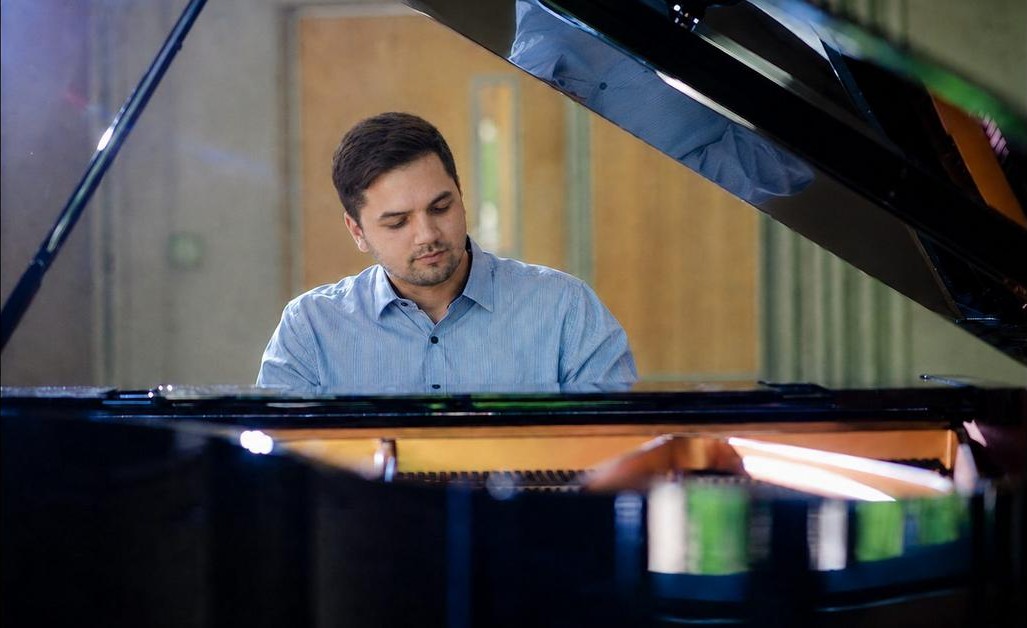
You remember being able to play. That makes the first attempt back surprisingly frustrating. You recognize the song, your hands remember a few shapes, and then something that used to feel ordinary takes all your attention.
That doesn't mean you need to start over from the first page of a beginner book. Some skills may feel more familiar than others. Reading, timing, coordination and listening need to be checked separately before someone hands you a practice plan.
What should you bring to your first lesson back?
Bring one thing you used to play and one thing you'd like to play now. They don't have to be impressive. An old piano piece, a guitar chord progression or the bass line from a song you love gives a teacher much more to work with than “I used to be intermediate.”
Tell the teacher what made you stop, too. If practice used to mean an argument with a parent, rebuilding the same routine is unlikely to help. If you stopped because work got busy, the next plan needs to survive a normal workweek rather than a holiday week.
You don't need to practice until you feel presentable before booking a lesson. Showing where you actually get stuck makes the lesson useful.
How can you find your starting point without testing everything?
Try a short passage slowly. Notice what happens before you decide what it means. Can you hear how it should sound but lose your place? Can you read the notes but not keep the pulse? Can you play the right hand or the chord changes alone, but not combine them with the other part?
Each problem suggests a different assignment. A pianist might separate the hands for two measures. A guitarist might move between just two chords while keeping a steady strum. A bass player might keep the rhythm and simplify the notes. You can work on the missing connection without throwing away everything else you remember.
What should the first week of practice look like?
Choose a section small enough to repeat with attention. For a restart, that might mean four measures rather than a whole song. Play it slowly enough to notice the sticking point, work on that point, then put the section back together.
Attach the session to something already in your day. Ten minutes after breakfast may be more realistic than an hour “when things calm down.” If you can manage 10 minutes a day, you'll be amazed with how quickly you pick back up. Not a requirement but even short daily consistency helps the most over long practice sessions.
Finish by playing something you enjoy, even if it's simpler than what you played years ago. There's room for both careful work and a reason to come back tomorrow.
Should you return to the same instrument?
You can, but you don't owe your childhood instrument another decade. If piano now interests you mainly as a way to write songs, say so. If you loved guitar but hated the repertoire, the instrument may still fit even though the old lesson plan didn't.
The first conversation should connect technique to what you want music to do in your life now: play with friends, accompany your voice, understand chords or finish a song. Those goals need different material.
How will you know the lessons are helping?
Look for a clearer next step. You should be able to explain what you're working on, hear or feel what changes when you do it, and repeat the assignment at home. A useful lesson doesn't need to end with a polished performance.
If the plan keeps growing while your available time stays the same, ask the teacher to narrow it. A smaller assignment you understand is more useful than a long list you avoid.
Where can you take the next step?
I teach piano, guitar, bass, songwriting and production. If you're returning after a break, tell me what you used to play, what you'd like to play now and what time you realistically have. We can start the conversation there.