A child singing around the house and a child asking for singing lessons aren't always asking for the same thing. One wants to sing favorite songs with more confidence. Another wants help preparing for a school performance. Another just wants a place where being loud and musical is welcome.
Before you compare teachers, ask your child what they hope to do. That answer gives you a better starting point than choosing the longest lesson or the most impressive performance reel.
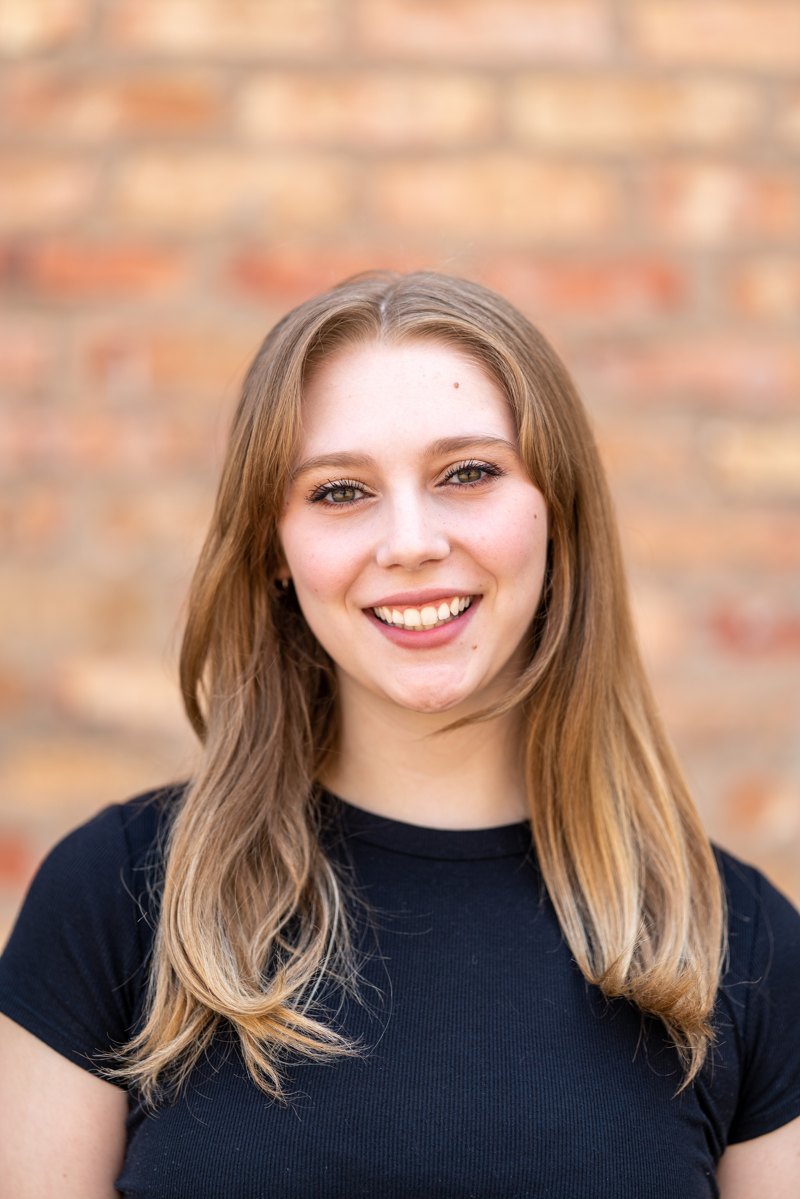
My fiancée, Alyssa Weir, teaches singing through Dynamic Voice Lessons. She has a Bachelor of Music in Vocal Performance from the University of Illinois at Urbana-Champaign. We both teach at the same studio in Los Angeles: Alyssa teaches voice, and I teach piano, guitar, bass, songwriting and production. If your child wants to sing, she's the teacher to talk to.
Are you comparing the same kind of lesson?
Write down what each teacher is actually offering. A weekly individual lesson, a group singing class and audition coaching solve different problems. Ask whether the time is one-to-one, how songs are chosen and whether a performance is optional. A child asking to sing favorite songs shouldn't accidentally be signed up for a competition program.
If you're still deciding whether lessons make sense at all, start with the existing voice-lesson readiness checklist. This comparison starts after that decision, when you're choosing between actual offers.
What should a children's voice teacher explain?
Ask about their experience teaching children of a similar age, how they choose songs and how they respond when a child is hesitant. If they mention qualifications or specialist training, ask what those are and how they apply to the lessons you are considering.
You should be able to understand the plan without knowing vocal terminology. “We'll explore this short phrase and see which starting note feels comfortable” tells you more than a promise to unlock a powerful voice.
Don't ask a teacher to guarantee a role, a particular range or a transformation by a deadline. Those promises aren't a useful basis for choosing someone.
What should happen if singing feels uncomfortable?
Tell the teacher about discomfort rather than encouraging your child to sing through it. A lesson isn't the place to diagnose a voice problem. If there is persistent pain, hoarseness or another concern, pause the activity and seek advice from an appropriate healthcare professional.
You can ask the prospective teacher how they handle that situation before signing up. Their willingness to stop, adjust and stay within the limits of their role matters more than an exciting description of advanced exercises.
What should you confirm before buying several lessons?
Ask about lesson length, cancellation notice and what happens when school events change the schedule. Check whether a quoted fee includes accompaniment or performance preparation, if those are part of your child's goal. Don't assume recordings, recitals or audition help are included because they appear in a teacher's biography.
For an online offer, ask what the child needs to hear and see, and how the teacher handles accompaniment when internet delay makes singing together difficult. For an in-person offer, confirm the address, waiting arrangements and who may stay in the room. Compare the routine your family would actually follow each week.
How can you compare two teachers without ranking their students?
Give both teachers the same short description: your child's age, a song they enjoy and what they hope lessons will help them do. Ask each person what they would begin with and what they would want the child to try between meetings. You can compare those answers without treating polished student videos as a prediction for your child.
Keep notes on the offer rather than giving the child a score. If one teacher proposes audition preparation and another proposes general singing exploration, return to your child's original goal before comparing price. A cheaper version of the wrong lesson is still the wrong purchase.
Who teaches voice through this site?
Alyssa offers voice lessons for children through Dynamic Voice Lessons. Her lessons include ear training and breathing technique, with songs chosen for the individual student. We teach together at the same studio, so if your child also wants piano, songwriting or help accompanying their singing, tell us that when you get in touch.
Contact Alyssa through Dynamic Voice Lessons with your child's age, a song they love and what they'd like help with. Ask her about current availability and whether studio or online lessons suit your family. Give the singing around the house somewhere to go.