The short answer
Pick weekly private lessons when your kid wants steady progress on one instrument. Pick a camp or short workshop when they want friends, a band, or a show to work toward. Pick a flexible hybrid when trips and family plans turn a strict schedule into a fantasy.
Summer is a good time to start music. The school-year pressure is gone. It's also a messy time to commit. LA families are juggling camps, trips, traffic, shared custody schedules, and days when nobody wants to sit in a car for one more hour.
So I don't care which program has the longest day or the fanciest description. The right one is whatever your kid enjoys long enough to hear themselves get better.
Three realistic summer options
Weekly private lessons
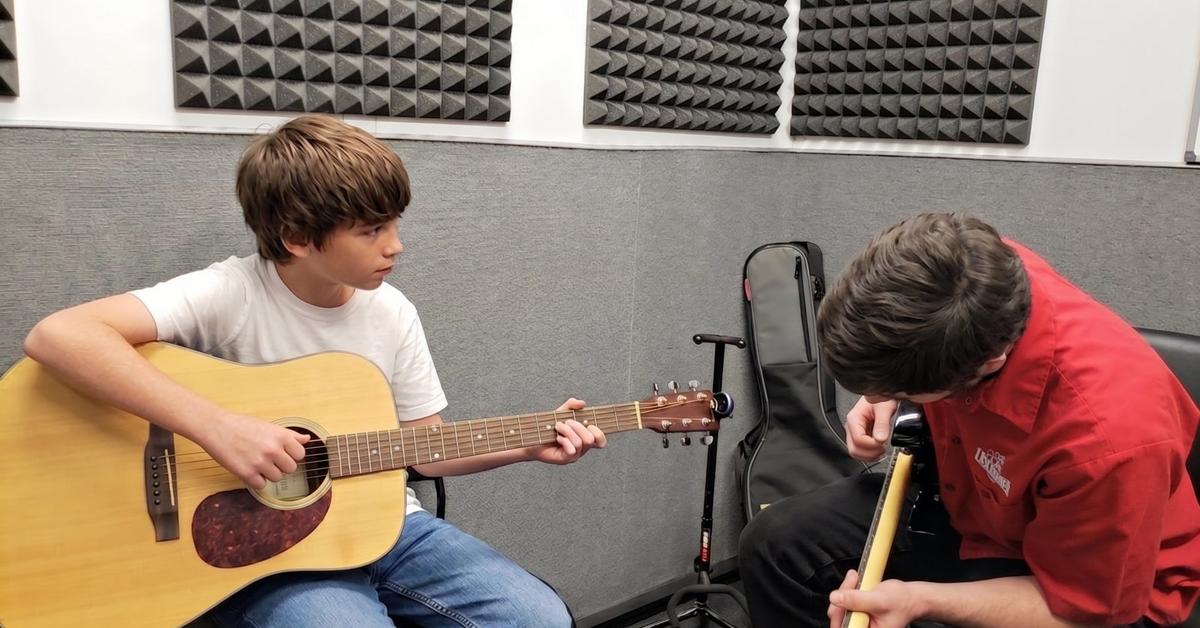
Focused help at your kid's own pace, and real progress on piano, guitar, voice, bass, songwriting, or production.
Camp or workshop
For kids who want a group, a deadline, a concert, or just the buzz of playing with other kids.
A flexible hybrid
For summers full of uneven travel weeks. A few lessons, one short program, and a small recording or song project at home.
| Format | Main strength | Watch out for |
|---|---|---|
| Weekly lessons | Personal feedback and steady skill building | A rigid schedule can fall apart around travel |
| Camp or workshop | Community, variety, and performance energy | A busy week may not fix the child's specific technical problem |
| Hybrid plan | Flexible and easy to shape around summer | It still needs one clear goal or it can become random activities |
Start with the decision your child is actually making
Most people start by searching for a program. Back up one step. What does your kid want to be able to do by the end of summer?
- Play one favorite song all the way through
- Feel fine singing in front of someone
- Join a band or play music with other kids
- Write and record their first song
- Try an instrument out before committing to it for the school year
- Get their confidence back after lessons turned frustrating
Once you know the goal, the format mostly picks itself. A kid who wants to nail one favorite piano song needs something completely different from a kid who mainly wants to hang out in a summer ensemble.
When weekly lessons are the better choice
Private lessons shine when a kid has a specific interest and needs help turning it into a plan. We get to sit on the exact thing that's stuck. Reading notes. Changing chords. Matching pitch. Keeping a beat. Getting two hands to cooperate. Figuring out how to practice without a parent running every minute.
Summer lessons don't have to look like the school year. I can build a six- or eight-week project around one song, a short performance, a recording, or a creative challenge. The kid gets a direction, and it doesn't eat every free afternoon.
Weekly lessons are also easier to bend for a shy kid, a total beginner, or anyone who gets overwhelmed in a big group. The pace changes the second it needs to. Nobody waits on the rest of the class.
When a music camp or workshop is worth it
A camp earns its spot when the group is the point. Playing with other kids teaches listening, counting, recovering from a mistake, and staying with everybody while the music keeps moving. A concert at the end gives practice a real reason to happen.
Before you register, find out what kids actually do all day. How much of it is playing? Are beginners grouped together? One instrument, or a rotation through several? Is the final show supportive or high-pressure? What happens to the kid who needs a quieter pace?
A polished program name answers none of that. The daily schedule does.
How to build a summer plan that survives Los Angeles life
In Los Angeles, where the lesson happens is half the format. Compare the full door-to-door time for a studio, ask whether in-home teaching comes with a travel fee, and find out if there are online makeups for the week traffic or a trip wrecks things. For a camp, picture the drive on day three or four. Registration day always looks easy. For what it's worth, my studio is near Fairfax and Melrose, and Zoom lessons cost the same.
Count the whole time cost. A 45-minute activity can swallow most of an afternoon once you add traffic, parking, food, and getting everyone out the door. Sometimes that's worth it for the right ensemble or teacher. It just has to fit the week you actually have.
- Pick one anchor. One weekly lesson, one camp, or one project is plenty to build a summer around.
- Keep practice short. Three focused sessions of 15 to 20 minutes beat one long weekly fight.
- Plan around trips before you book. Ask about online makeups, pause weeks, and whether the materials can come along.
- Use the instrument at home. Your kid should practice on something that's comfortable, works, and is easy to reach.
- Finish with something you can share. Record a song, play for family, or perform with a group. The finish line should feel like music. Nobody wants a summer that ends in a test.
My recommendation for most beginners
Start smaller than you think. One weekly lesson and one goal your kid helped pick. If they keep talking about playing with other kids, performing, or trying more instruments, add a short camp or workshop. If travel breaks the schedule, switch to an online lesson and keep the project moving.
I'm not trying to keep anybody busy all summer. I want your kid to find out whether making music is something they still want to do when school starts again.
A five-minute parent checklist
- Did my kid help pick the instrument or the goal?
- Does the schedule leave room for an actual summer?
- Will the teacher or program slow down for a beginner?
- Do we know what our kid will make, play, or perform?
- Can we keep going in the fall if it clicks? If that last one is a yes, the summer worked.