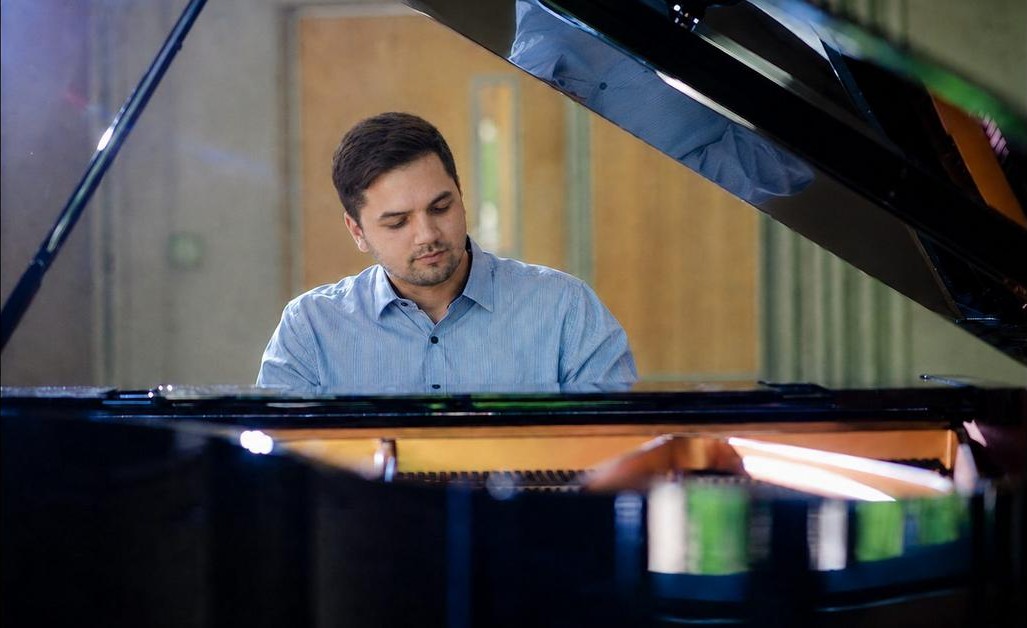
"I've always wanted to learn piano, but I think I missed my window."
I hear some version of that almost every week. From 28-year-olds, 45-year-olds, 62-year-olds. Smart, capable people who decided the door closed because nobody sat them at a piano at age 5.
It didn't. Not even close.
I've been playing for over 22 years and teaching music in Los Angeles for a long stretch of that. A big share of my students are adults. Some are total beginners. Some are coming back after twenty years away. And I'll say it flat: adults can learn piano, and they usually move faster than they expect.
There are real challenges too, and timelines worth knowing before you start. So let's go through all of it.
The Myth of the "Critical Period"
The idea that you have to start as a kid or you'll never be any good is one of the most stubborn myths in music. It comes from research on language learning that got stretched over music, where it doesn't fit.
Here's what the research actually says:
- Neuroplasticity doesn't stop at childhood. Your brain keeps building new connections your whole life. Adults who practice piano show measurable changes in brain structure after just a few months.
- Kids aren't magically better learners. They look faster because they have more free time and fewer things pulling at them. Give an adult the same focused practice time and they keep up, or pass them.
- Adults have a head start on concepts. You can see patterns and borrow from everything else you know. A kid learns what a major scale is from zero. You'll get it in a few minutes and use it the same day.
So the "critical period" is about priorities, not biology. As a kid, your parents sign you up and make you practice. As an adult, you have to pick it yourself. You're reading this, so you already did. That was the hard part.
The Real Advantages Adults Have
Adult students have real advantages over kids. I'm not saying that to be nice. I watch it happen in lessons all the time.
1. Motivation
Nobody's making you do this. That kind of motivation is the single biggest factor in how fast someone improves. A motivated adult beats a reluctant 8-year-old whose parents drag them to the bench. Every time.
2. Musical Taste and Context
You've been listening to music for decades. You have taste, songs that mean something to you, and a gut sense of rhythm, melody and harmony, even if you can't name any of it yet. When I play a progression for an adult and ask whether it sounds happy or sad, they know instantly. That ear took years to build, and you walk in with it already.
3. Discipline and Focus
Adults can stay locked in for a full 30 or 60-minute lesson. No stickers, no games. You can find your weak spots, repeat the hard bar, and run your own practice. That's a superpower and most people don't notice they have it.
4. Conceptual Understanding
Theory clicks faster for adults because you can think about it in the abstract. Intervals, inversions, time signatures all land quicker. Plenty of my adult students end up liking theory, which kids almost never do.
5. Emotional Depth
Music is expression, and you bring a whole life to the keys. When an adult plays a sad piece, they feel it in a way a child can't yet. That shows up in your playing from day one.
The Honest Challenges (And How to Handle Them)
I'd be doing you no favors pretending this is all easy. Here's what gets in the way, and what to do about it.
Time
The biggest obstacle by a mile. Job, maybe a family, friends, maybe the gym. Some weeks, finding 20 minutes feels impossible.
The fix: You don't need an hour. Research shows 15 to 20 focused minutes a day beats one 90-minute session a week. Keep the keyboard where you'll trip over it. Not in a closet. Not in the spare room you never walk into. Coffee plus 15 minutes of piano turns into a habit within two weeks.
Physical Stiffness
Adult hands are less flexible than kids' hands. You might feel tension in your fingers, wrists or forearms at first, especially if you're at a computer all day.
The fix: Most tension comes from trying too hard, not from your body. A good teacher watches your hands and drills relaxation from day one. Posture, gentle stretches and someone paying attention prevent almost all of it. I've taught students with arthritis and carpal tunnel. There's always a way to adjust.
Self-Consciousness
Adults are brutal on themselves. A kid hits a wrong note and laughs. An adult hits a wrong note and thinks "I'm terrible, I should quit." That voice is a bigger problem than your age, your fingers or your schedule.
The fix: Treat mistakes as data. A wrong note tells you which finger is weak, which pattern isn't in your hands yet, which interval you're not hearing. In my studio wrong notes are normal and expected. Nobody's grading you.
Comparison to Others
You'll see a 10-year-old play a Chopin etude online and feel crushed. Or a friend who started six months before you seems miles ahead.
The fix: The only comparison that counts is you now versus you last month. Can you play something today you couldn't four weeks ago? Then it's working. That Chopin kid has been practicing three hours a day since age 4. Different path. That's fine.
What Realistic Progress Looks Like
Here's the timeline I actually see with adults who take weekly lessons and practice 15 to 30 minutes a day:
Month 1-2: Foundations
Hand position, basic note reading, simple one-hand melodies, then both hands together in easy patterns. By the end of month two most students can play a simple song or two start to finish. Not concert-ready. Recognizable, and it feels great.
Month 3-6: Building Momentum
The hands start cooperating. Basic chords, common progressions, songs you actually like. Scales, intervals and key signatures start to make sense. This is usually where someone goes from "I'm trying to learn piano" to "I play piano."
Month 6-12: Real Musicianship
Intermediate pieces. Better sight reading. You can sit down at a friend's piano and play something, with a few mistakes and real musical feeling. Some students start improvising, writing, or trying new genres. This is where it gets fun.
Year 2-3: Confident Player
Most adults who stick with it reach a solid recreational level in 2 to 3 years. You can learn songs on your own, play at a party, accompany a singer, maybe start writing. And you'll never run out of things to learn, which is kind of the point.
What to Look for in a Piano Teacher (as an Adult)
Plenty of piano teachers aren't great with adults. A lot of them were trained on kids and use methods that don't carry over. What I'd look for:
- Experience with adults. Ask straight out: "Do you teach adults regularly?" If they hesitate, keep looking.
- A flexible plan. You shouldn't be stuck in a children's method book. Good adult lessons use music you like and still cover technique and theory.
- Patience. Adults need to feel safe making mistakes. An impatient, critical teacher will kill your motivation fast.
- Goals first. You have reasons for doing this. A teacher who asks what they are and builds around them keeps you coming back.
- Scheduling that fits adult life. Your week is unpredictable. Look for evening and weekend slots and a fair cancellation policy.
I teach adults regularly and I honestly enjoy it. They ask better questions, practice with more intent, and actually want to be there. More on how I teach is on my teaching page and my about page.
Getting Set Up: What You Need to Start
No grand piano required. Here's what you actually need:
A Keyboard or Digital Piano
For beginners, an 88-key weighted digital piano is the move. Weighted keys feel like a real piano, which matters for technique. Good options in 2026:
- Budget ($300-$500): Yamaha P-45, Casio CDP-S110
- Mid-range ($500-$900): Roland FP-30X, Yamaha P-125a
- Premium ($900-$1,500): Kawai ES520, Roland FP-60X
Not sure you'll stick with it? A 61-key unweighted keyboard is fine for the first month or two. Plan to upgrade once you know you're in. Weighted keys make a real difference.
A Comfortable Bench
Skip the dining chair. An adjustable bench keeps your posture right, which saves you strain and helps your technique. They run $50 to $100 and they're worth it.
A Good Teacher
This is the equipment that matters most. A good teacher saves you months of frustration, catches bad habits early, and keeps you going through the plateaus that always come. I wrote a whole guide on how to choose a music teacher in Los Angeles if you want more on that.
Common Questions from Adult Beginners
"I can't read music - is that a problem?"
Not at all. Most adult beginners can't read a note. We build it alongside the playing. Within a month you'll read simple notation. Within six months you'll sight-read basic pieces. Adults pick it up fast because notation is a logical system, and you're good at those.
"My hands are too small / too stiff / too old"
Hand size almost never matters. Most piano music stays inside an octave, eight white keys, and there are workarounds for what doesn't. Stiffness loosens up with gentle, regular practice. And age? I've watched students in their 60s and 70s make beautiful progress. Your hands are fine.
"I tried learning from YouTube and got nowhere"
Super common. YouTube is great next to lessons and bad instead of them. Nobody corrects your technique, bad habits set in, motivation fades, and nobody answers your actual questions. Coming to lessons after that isn't starting over, either. You already know your way around the keys a little, and we build on that.
"I took lessons as a kid and hated it. Why would this be different?"
Because this time you picked it. Being forced through songs you hated as a kid is a completely different thing from lessons built around your taste and goals. Some of my best adult students had miserable childhood lessons. Coming back on your own terms changes everything.
The Benefits Go Beyond Music
It's more than songs. Research keeps finding real cognitive and emotional benefits:
- Less stress. Playing activates the parasympathetic nervous system and lowers cortisol. A lot of my students call practice their meditation.
- A sharper brain. Learning an instrument strengthens memory and attention and builds new neural connections. Multiple studies link musical training to lower risk of cognitive decline.
- Confidence. Getting good at something you were sure you couldn't do feels amazing, and it leaks into the rest of your life.
- People. Piano gets you into open mics, jam sessions, family gatherings, and conversations with other musicians.
- Something to make. Most of the day is screens and scrolling. Making music feeds a part of you Instagram never will.
Ready to Start?
If you've been thinking about it for years, the best time to start was yesterday. The second best is now.
I teach adults at my West Hollywood studio and online. We play music you actually like, work theory and technique in as we go, and set small milestones so you can see yourself improving. The adult piano lessons in Los Angeles page lays out what a lesson and a normal practice week look like.
The $20 intro lesson gets credited toward your first month, and there's no sales pitch. We meet in person or online, you play a little, and we talk about what you want. If it feels right we make a plan. If not, no hard feelings.
The window never closed. You just haven't sat down yet.
Frequently Asked Questions
Is 30 too old to start learning piano?
No. 30 is a great age to start. Adults in their 30s bring discipline, motivation and life experience, and that makes them focused students. Plenty of accomplished pianists didn't start until their 20s or 30s. What matters is steady practice and a teacher who knows how adults learn.
How long does it take an adult to learn piano?
With weekly lessons and 15 to 30 minutes of practice a day, most adult beginners play simple songs within 1 to 2 months, intermediate pieces within 6 to 12 months, and reach a solid recreational level in 2 to 3 years. Consistent practice matters far more than talent.
Do I need a piano at home to take lessons?
You really should have one. A good 88-key weighted digital piano like the Yamaha P-45 or Roland FP-30X runs $400 to $700 and is perfect for beginners. A 61-key keyboard works for the first few months.
Are online piano lessons effective for adults?
Yes. Adults handle spoken instructions and self-correct better than kids, so online works well. A lot of adult students actually prefer it because they never leave the house. I teach both in person and online.
How much do adult piano lessons cost in Los Angeles?
Rates in LA usually run $50 to $120 an hour. I charge $40 for 30 minutes or $60 for a full hour, and the $20 intro lesson is credited toward your first month. In person in West Hollywood or online, same price.